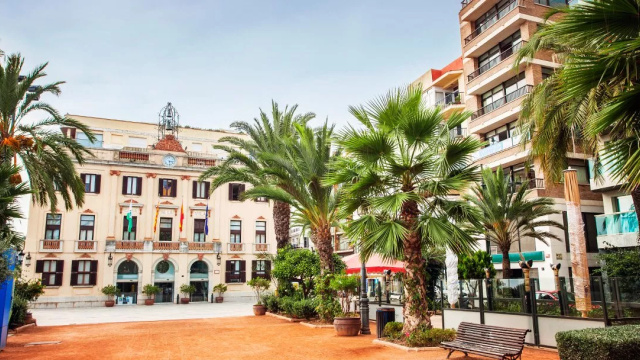
Town Hall - ‘Casa de la Villa’
Located next to the seafront promenade and constructed in a combination of modern and old styles, it will surely pique your interest.
Lloret de Mar’s town hall conserves the area’s ‘Indiano’ essence and presides over Passeig Mossèn Jacint Verdaguer, beside the sea.
The building was constructed in 1872 by architects Marí Sureda and Félix de Azúa and features a neoclassical style. It was built during the town’s ‘Indiano’ period beside the former site of Lloret de Mar’s shipyards, where ships were constructed to transport the town’s inhabitants to the Americas.
You can identify the building through its architectural features endemic to the period. Above the clock, you can see one of the few remaining coats of arms of King Amadeo of Savoy.
Be sure to look out for its wrought-iron bell tower, complementing a clock installed by Isidre Bofill of Barcelona.
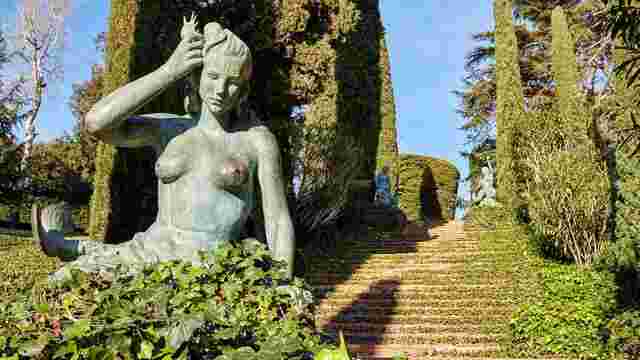
Santa Clotilde Gardens
Located atop a cliff between Cala Boadella and Fenals Beach with incredible sea views, you simply can’t miss out on one of Lloret de Mar’s best kept treasures.
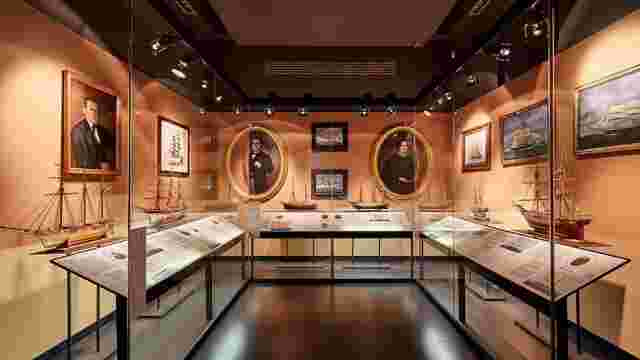
Maritime Museum - Can Garriga
Located on the waterfront promenade, Can Garriga is one of the most important ‘Indiano’ houses in Lloret de Mar.
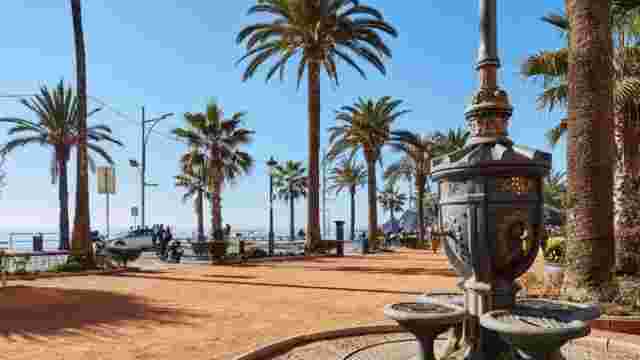
Historic Centre
We’ve created a route for you to really get to know the most interesting heritage of Lloret de Mar’s historic centre.
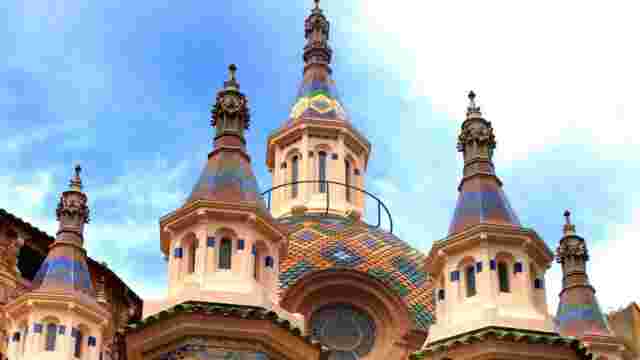
Parish Church of Sant Romà
This is one of the most spectacular churches in the region. Its impressive domes with captivating colours will take you by complete surprise.
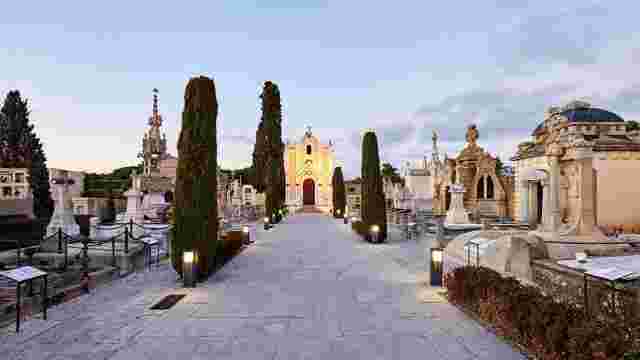
Modernist Cemetery
You’ll be surprised: each time you look, you’ll notice something new.
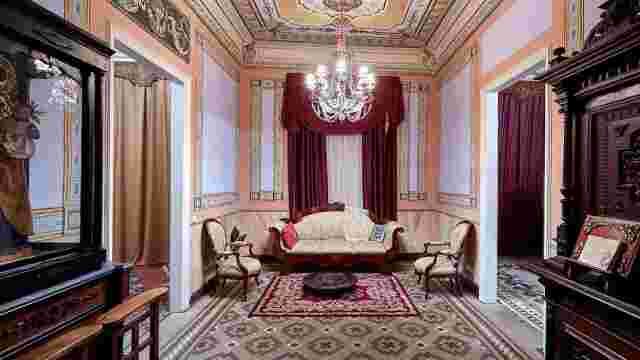
Can Font - The house of Nicolau Font i Maig
If you come to Lloret, don’t miss the only ‘Indiano’-style house museum open to the public in Catalonia.
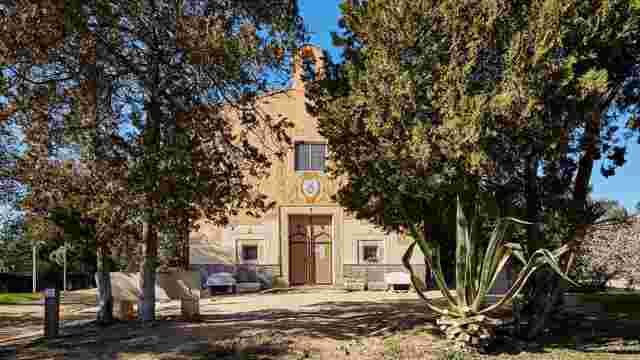
Chapel of Sant Quirze
Located 200 metres from the cemetery and 1km from the town centre, the chapel has its origins prior to the 11th century and is a mix of styles.
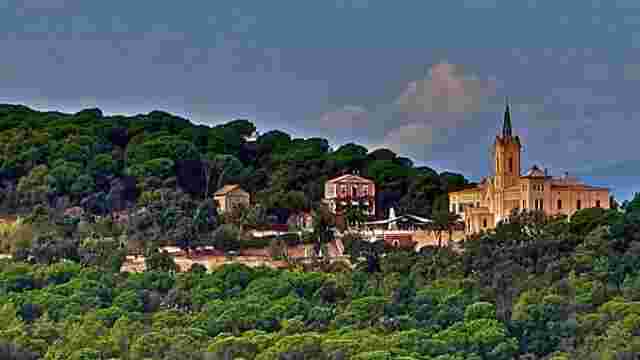
Sant Pere del Bosc
Sant Pere del Bosc will amaze you with its mysterious location.
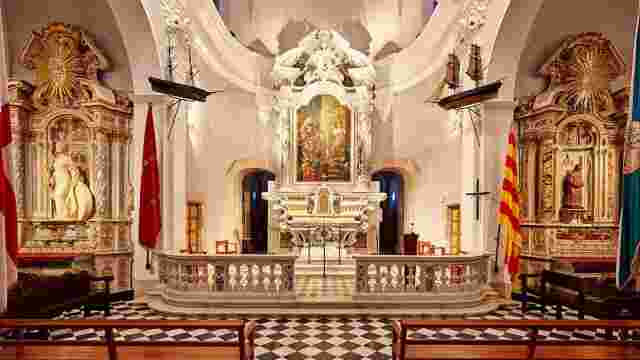
Chapel of Santa Cristina
It is one of the locals’ most loved areas, and it boasts spectacular views across the whole coastline of Lloret de Mar.
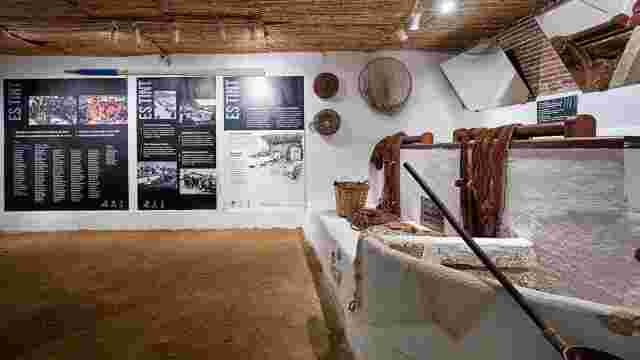
Es Tint
It’s one of the last remaining spaces on the Costa Brava where you can discover how fishing nets were dyed traditionally.
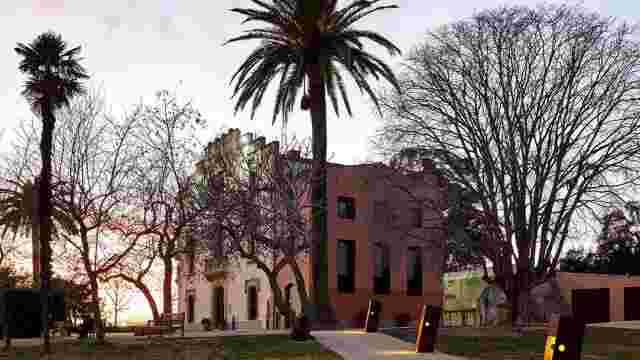
Can Saragossa
The Can Saragossa farmhouse is located on a small hill, surrounded by woodland and gardens. In spring, when the landscape begins to bloom, it’s simply a must
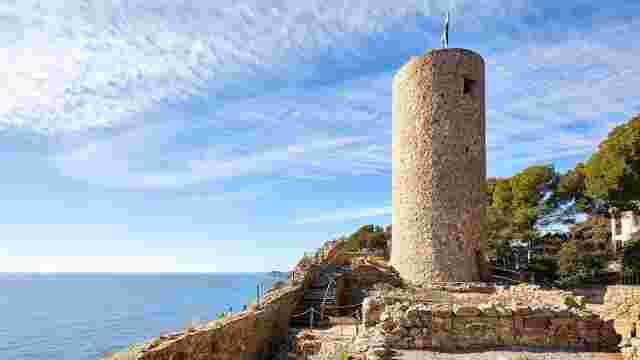
Castle of Sant Joan
An ideal location to enjoy fantastic panoramic views over the entire town of Lloret de Mar.
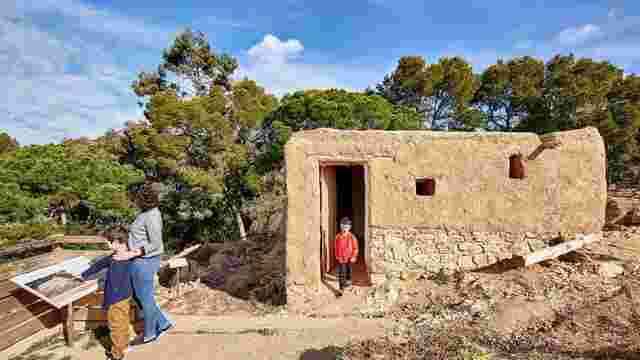
Turó Rodó
The settlement of Turó Rodó is one of three Iberian archaeological sites that can be found around Lloret de Mar and is the closest to the town centre
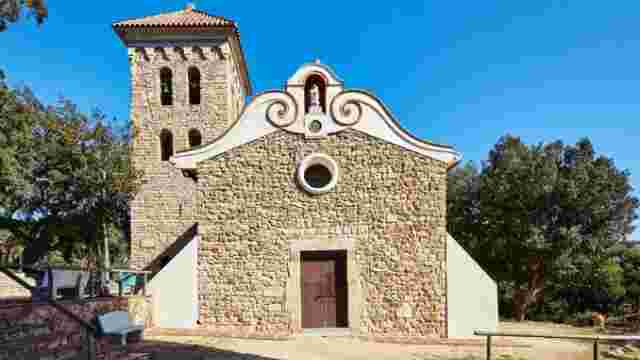
Chapel of Les Alegries
You cannot miss the Roman bell tower and the fresco paintings by Calandria.
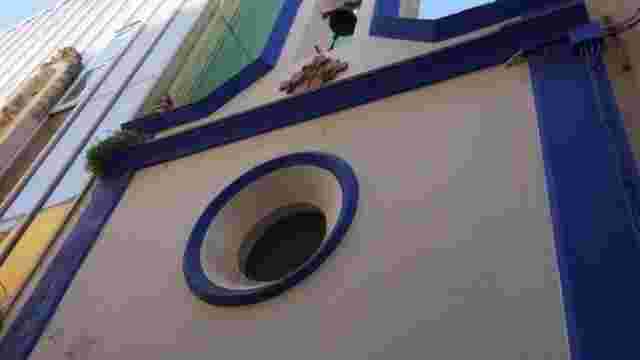
Chapel of the Sants Metges
This small chapel belonged to the former charity hospital of Lloret
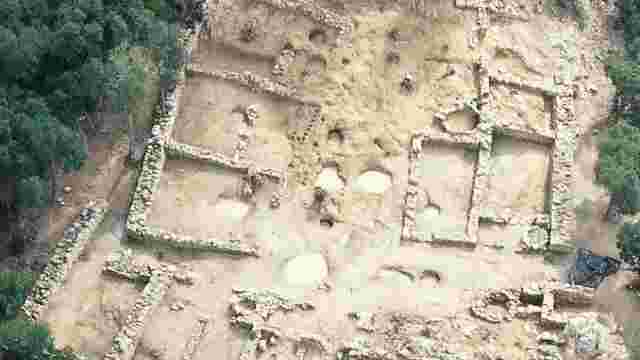
Puig de Castellet Archaeological Site
The Puig de Castellet Archaeological Site, which dates back to the 3rd century B.C., is located 2 kilometres from the centre of Lloret de Mar.
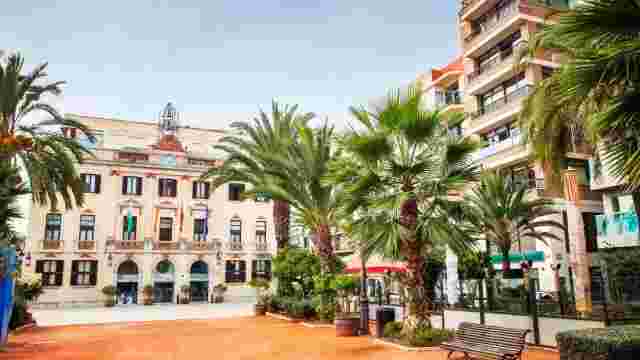
Town Hall - ‘Casa de la Villa’
Located next to the seafront promenade and constructed in a combination of modern and old styles, it will surely pique your interest.