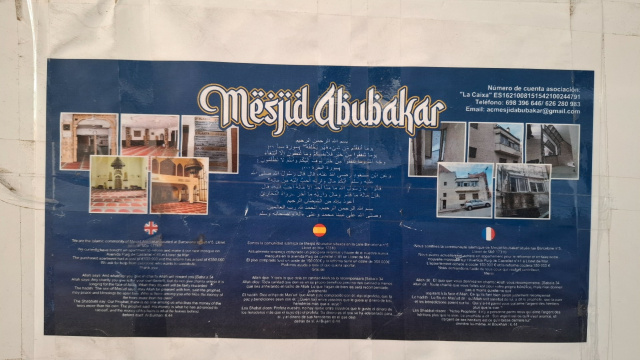
Mesjid Abubacar Mosque
The Muslim community has been present in Lloret de Mar since the 1970s, with the arrival of the first families.
In 1988 the first Muslim place of worship in the municipality was established on Sant Carles Street, one of the first in Catalonia and the first in the province of Girona. Today the community is diverse and comprises families, children, young people and older people mainly from Morocco, Gambia, Mali, Senegal, Algeria and other countries.
The most spoken languages are Arabic, Amazigh, Wolof, Catalan and Spanish.
Islam is a monotheistic religion that originated in Mecca in the 7th century and is part of the Abrahamic tradition. The prophets, from Adam to Muhammad, conveyed the message of God, with Muhammad being the last.
According to tradition, Muhammad received the Qur'an between 611 and 632 through the angel Gabriel, a sacred text that guides the faith, conduct and community life of Muslims around the world.
In addition to the Qur'an, the Sunnah, which is composed of the hadiths, records the words and actions of the Prophet Muhammad and serves as a guide for applying the principles of the sacred text in daily life. This helps to understand prayer, ethical conduct, justice and solidarity in a concrete way, not to replace the Qur'an, but to complement it.
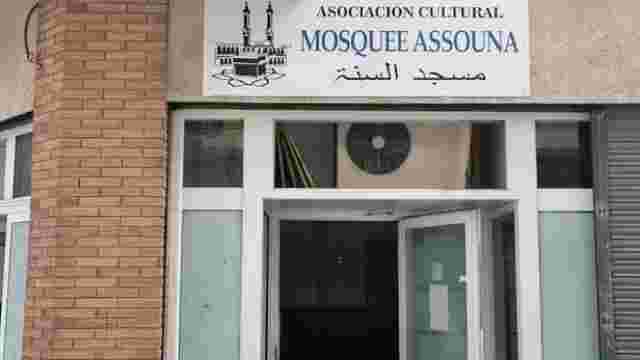
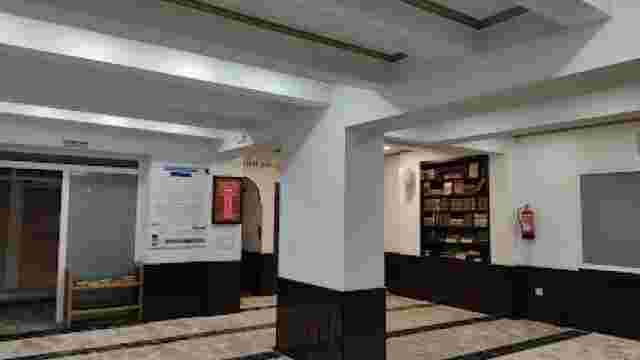
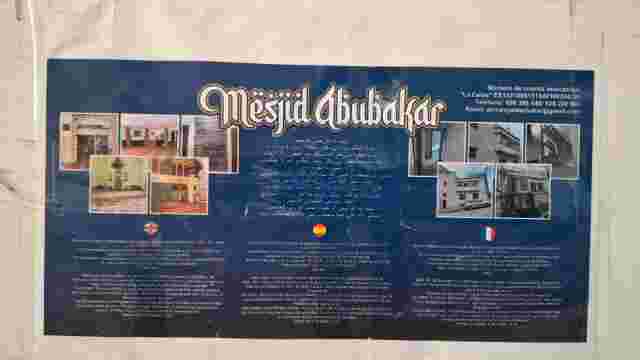
The place of worship is the mosque, a space for prayer, teaching and community life. In Lloret there are three active mosques: Assouna, Aboubaker and Al Mouhsinine, which host the five daily prayers, the Friday prayer and educational and social activities.
They also welcome visiting Muslims who wish to practise their religion during the tourist season. Visitors must enter without shoes, dress respectfully, remain silent and follow the imam's instructions.
Islam believes in one God, Allah, just and merciful, and in the responsibility of each person in their life. The human being is free and dignified, and faith protects fundamental rights, especially those of the most vulnerable. Good is founded on justice and solidarity, and evil breaks the harmony with God and the community. Life after death and the final judgement are central beliefs, and the purpose of life is to worship God, do good and contribute to peaceful coexistence.
The five pillars of Islam structure religious life: shahada (profession of faith), salat (prayer five times a day), zakat (mandatory charity), Ramadan (fasting) and hajj (pilgrimage to Mecca if possible). Ramadan is a time of reflection, purification and solidarity, ending with Eid al-Fitr, and Eid al-Adha commemorates generosity and helping the needy.
Islam is linked to the concept of salam, peace. The Muslim community of Lloret lives the religion as a holistic way of life that combines spirituality, social responsibility and a commitment to coexistence, as the Prophet Muhammad taught: ‘Give good news to people and do not frighten them.’